As we look back on the platform fighting game landscape in 2025, the initial vision for Nickelodeon All-Star Brawl as articulated by developer Ludosity remains a fascinating case study. The studio was clear from the outset that competitive viability wasn't just an afterthought; it was a core pillar of the game's design philosophy. This was a deliberate choice, informed by Ludosity's experience with their own original platform fighter, Slap City. The idea wasn't simply to create a nostalgic romp featuring beloved cartoon characters, but to craft a game with the mechanical depth and balance that would attract and sustain a serious competitive community.
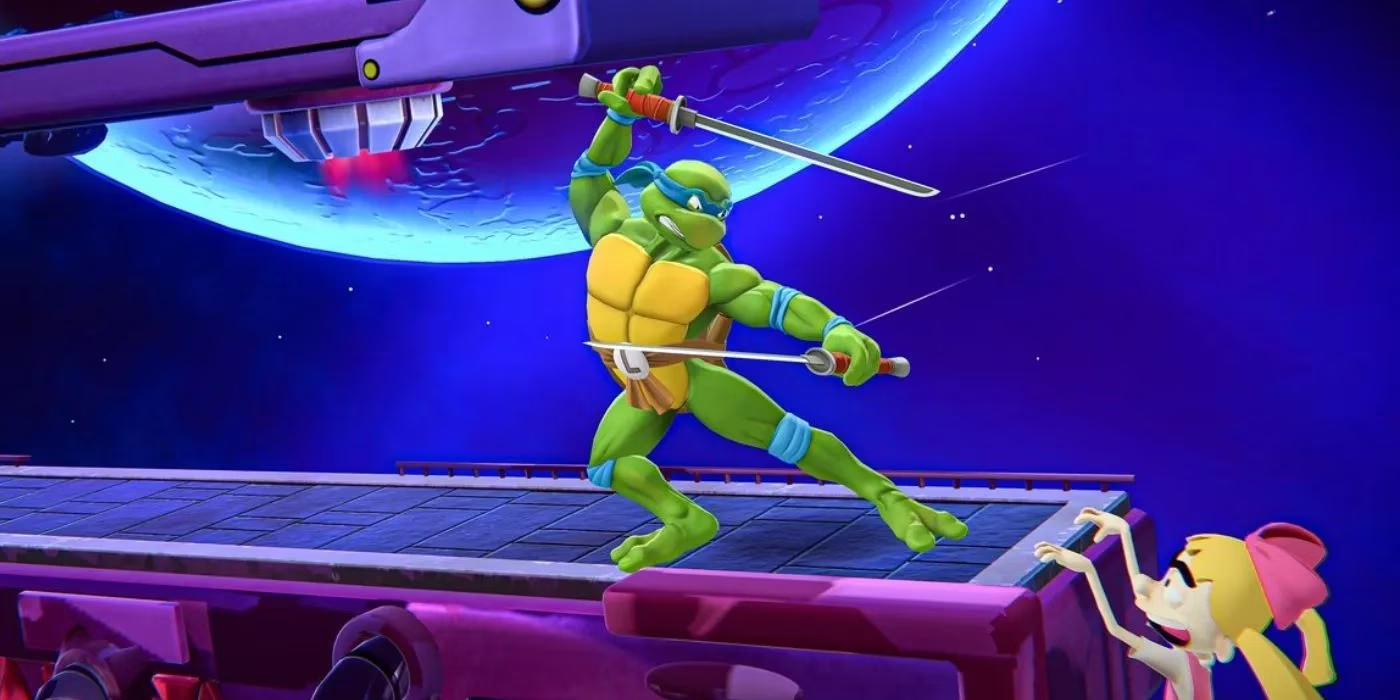
One of the most crucial factors in this endeavor was the creative freedom granted by Nickelodeon. Contrary to what some might have assumed about a major children's network, Nickelodeon actively sought out Ludosity for the express purpose of developing a competitive title. The partnership was built on trust, with Nickelodeon rarely interfering with the studio's creative decisions. Every character's fighting style, from the nimble Leonardo of the Teenage Mutant Ninja Turtles to the ghostly powers of Danny Phantom, was born entirely from the minds at Ludosity. This autonomy allowed the developers to prioritize gameplay mechanics that felt responsive and fair, rather than being forced into overly simplistic or gimmicky movesets.
The roster itself was a key part of this competitive promise. While characters like Michelangelo or a ninja turtle seem like natural fits for a fighter, Ludosity also took on the challenge of adapting characters not typically associated with combat. This required creative interpretation and a deep understanding of platform fighter fundamentals to ensure every character, regardless of their source material, could hold their own in a match. The promise of unlocking more fighters through progression added a layer of long-term engagement, a nod to the genre's established conventions.
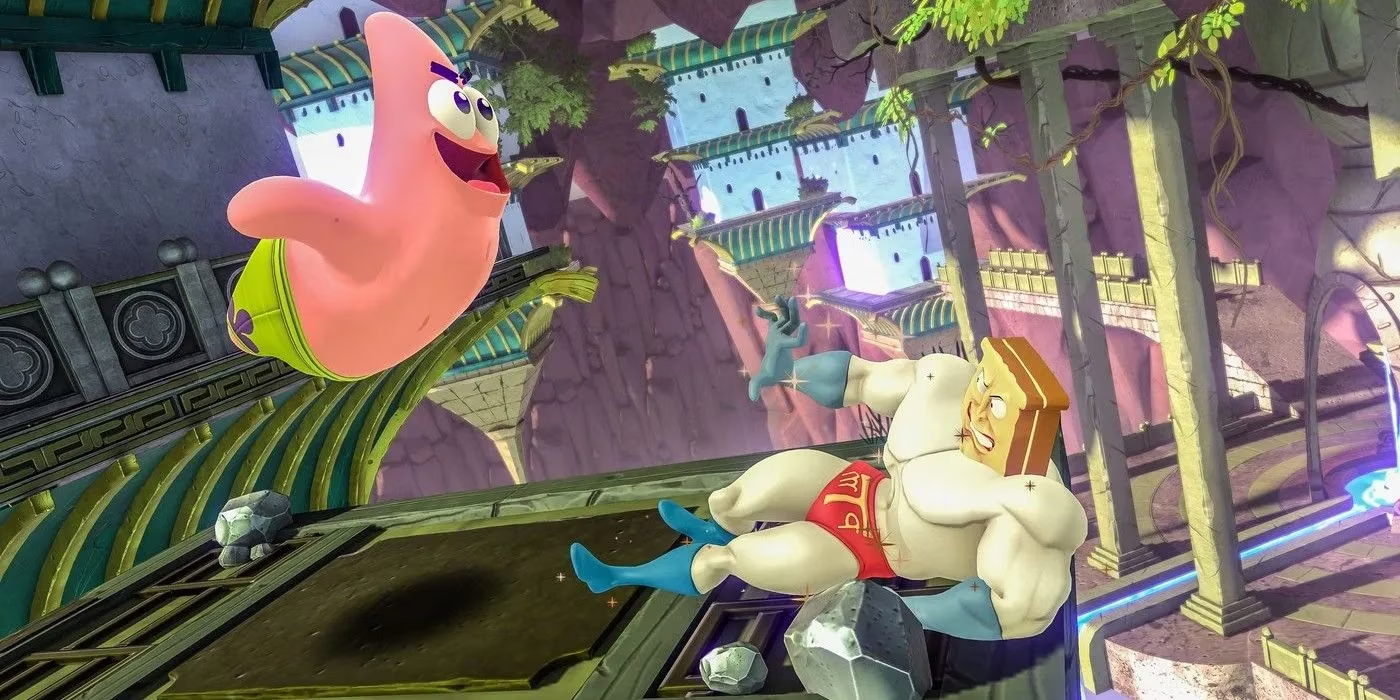
Chief designer Elias Forslind's perspective perfectly encapsulated the studio's dual-target approach. He emphasized that making a game fundamentally fun to play was the gateway to appealing to both audiences. A well-tuned, satisfying competitive game is, by its nature, enjoyable for casual players as well. He noted that while he might not possess the 'mad skills' of a top-tier competitor, he could still find immense enjoyment in casual free-for-all matches. This philosophy aimed to bridge the often-divided communities within the fighting game genre.
The initial reveal sent waves of speculation through the fanbase, not just about gameplay, but about the potential roster. The box art was a treasure trove of hints, featuring silhouettes that teased a wide array of characters from Nickelodeon's rich thirty-year history. While some, like Aang from Avatar: The Last Airbender or Korra from The Legend of Korra, were easily identifiable by their iconic outlines, others remained delicious mysteries. This hinted at a fighter with significant depth and variety, pulling from classic 90s Nicktoons, popular 2000s shows, and modern hits—a crucial element for both casual appeal and a diverse competitive meta.
Of course, the shadow of Super Smash Bros., the genre-defining titan, loomed large. Many developers had tried and failed to capture its magic or carve out their own competitive space. The internet's overwhelmingly positive and enthusiastic reaction to Nickelodeon All-Star Brawl's announcement, however, suggested a genuine hunger for a fresh contender. Fans weren't just excited to see SpongeBob square off against Reptar; they were excited by the promise of a well-made, competitive-focused platform fighter with a unique and beloved cast.
Looking at the game's journey since its initial release, several key aspects of Ludosity's early vision have shaped its ongoing development:
-
Mechanical Foundation: The focus on competitive mechanics like wavedashing and strong directional air-dodges created a high skill ceiling from day one.
-
Roster Philosophy: Balancing recognizable faces with deep-cut favorites ensured both mass appeal and dedicated niche interest.
-
Post-Launch Support: The commitment hinted at in early interviews translated into a roadmap of balance patches, new characters, and stage additions to keep the meta evolving.
In retrospect, the early statements from Ludosity were a blueprint. They weren't just selling a product; they were inviting players into a long-term project built on a foundation of respect for the competitive fighting game community and a genuine love for Nickelodeon's iconic characters. The challenge was always monumental—to create a game that could be both a chaotic party favorite and a respected title on the tournament circuit. The initial vision set the stage for that ambitious dual identity.
Comments